Archive
Every debate, with sources
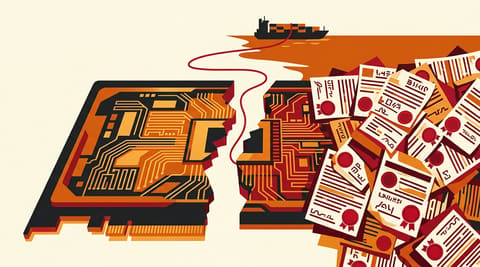
Inside Nvidia's Boardroom: Was Jensen Huang Pushed Over Chips or Chaperones?
Nvidia's founder resigned amid an affair scandal, but a trail of 147 export licenses and a secretive investigation suggests the board may have sacrificed him to shield itself from liability over China chip shipments.
EU-Rwanda Migrant Hub: The Stateless Children Nobody Plans For
A pilot return hub in Rwanda could leave children born there without citizenship, creating a legal vacuum the EU may ultimately answer for.
The £290 Million Coin Toss: Why Britain's Rwanda Scheme Failed
Britain spent £240 million on a deportation plan that never flew. The Supreme Court called it unlawful because Rwanda's asylum system was unsafe. Both sides agree the 'safe third country' test is a legal fiction.
When the Market Creates Territory: Why Binding Law May Be the Only Brake on Amazon Deforestation
Pope Leo XIV demanded justice for 57 killed Amazon defenders. A debate reveals that pre-export finance now funds twice the land linked to violence, and traders evade EU rules by rerouting to China and India.
Russell Brand's Prison Letter: Why the Missing Log Matters More Than the Words
A surviving prison message from Russell Brand exposes a systemic gap: UK governors filter inmate mail but keep no record of their decisions, leaving prosecutors blind to potential witness intimidation.
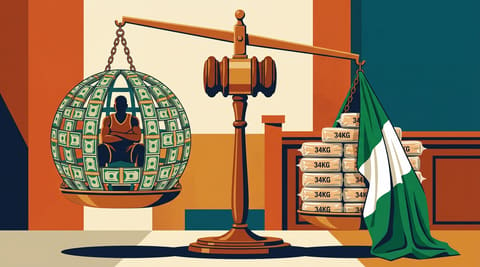
The 75-Pound Invoice: How a Basketball Player Became Nigeria's Diplomatic Currency
A U.S. basketball player caught with 34kg of cannabis in Lagos exposes a system where arrests may function as performance metrics for U.S. anti-narcotics funding rather than genuine law enforcement.
Youth Jobs: Why a £132k Tax Break Buys Less Than a £38k Guarantee
A blanket National Insurance cut for under-25s costs £132,000 per job created. A targeted guarantee costs £38,000. The debate exposes deadweight, substitution, and a radical voucher alternative.
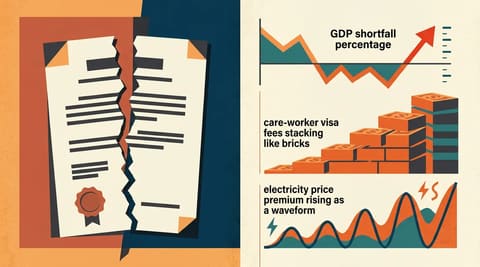
Brexit's Hidden Ledger: The 4% Floor, the Care-Worker Mortgage, and the Energy Tax
Ten years on, the UK's Brexit bill arrives in three instalments: a persistent GDP shortfall, a migration system that taxes future productivity, and an electricity premium that acts as a daily drag on factories and data centres.
Inside Nvidia's License Daemon: The Code That Controls Who Computes
A debate over whether Nvidia's GPU attestation system is a U.S. policy tool or a security risk reveals how 72-hour cache windows and 6-hour nonce rotations create leverage — and why Japan and Europe may soon demand the signing keys.
When the Algorithm Wins the Prize
Literary prizes face a fracture: reward human endurance, text quality, or AI collaboration? The debate reveals awards may certify biography, not books.
The Hidden Switch That Could Brick Ukraine's Starlink
A debate reveals that 25,000 Ukrainian terminals may share a single cryptographic root with commercial Starlink dishes worldwide, meaning one firmware push from Hawthorne could disable battlefield comms and earthquake warnings in Mongolia simultaneously.
Ukraine's Starlink lifeline rests on a single chip factory — and a 2014 F-35 deal
Ukraine's battlefield comms depend on Starshield, which shares TSMC N7 chips with civilian Starlink. A 2014 Lockheed offset tied Polish F-35 slots to gateway priority, creating a hidden 'hostage map' where physics, not contracts, decides who goes dark first.
Ukraine's Starlink lifeline depends on keys held in California, not Kyiv
Allied guarantees for Ukraine's Starlink access founder on a single hardware module in Hawthorne that controls every terminal's trust. Whoever holds the signing keys controls the constellation — and bankruptcy courts sell keys to the highest bidder.
Who Holds the Kill Switch? Starlink, Sovereignty, and the Cloud
Ukraine built its command architecture around Starlink because it was fast and cheap. Now a single software push can sever it. The debate exposes a sovereignty gap no treaty or contract has closed.
The £10 Billion Question: Can a Legal Right to Youth Jobs Survive the Treasury?
A legal guarantee for youth job support looks like a promise until the bill arrives. The debate reveals a £10bn fiscal hole and a sanctions trap that could turn entitlement into compulsion.
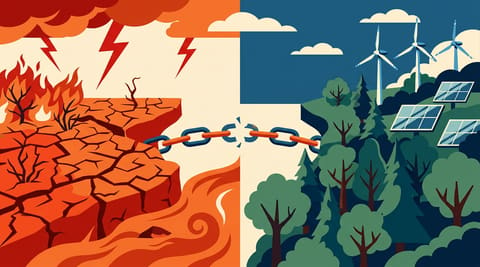
2026's Extreme Weather: Not Total Collapse, But a Wake-Up Call
2026's record-breaking extremes reveal worsening climate risk and policy failure—but not total system collapse. The evidence shows both damage and incomplete progress, with natural variability playing a key role.
Iran's Bahrain Drone Strike: Calibration or Chaos?
A six-drone attack on a US radar in Bahrain sparks debate: was it a calculated probe of American air defenses or a symptom of Iranian command fragmentation? The answer changes how Washington should respond.
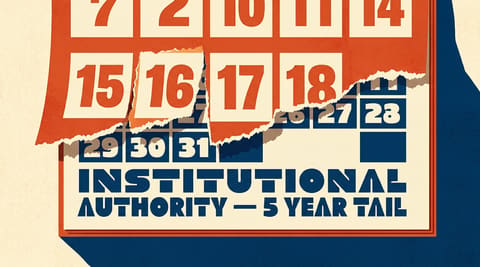
Staggered Consent Laws: A Calendar Denial for Predators or a Maginot Line?
Professors Perhaps and Doubt clash on whether a five-year rebuttable presumption after institutional contact can stop grooming, or just builds a vast enforcement surface atop a 1.6% conviction rate.
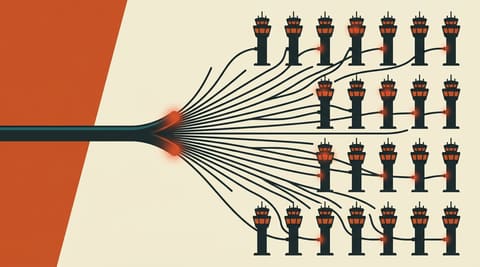
The FAA's AI Air Traffic Gamble: One Router, 22 Centers, Zero Escape Hatches
The November ground stop revealed that SMART's staggered rollout pushes identical builds to all 22 centers via a single vendor-controlled database, creating a nationwide single point of failure the FAA cannot audit.
Starship's Catch Was Historic — But Practical Reuse Remains Unproven
SpaceX caught a Starship upper stage with mechanical arms, a first for orbital flight. The feat proves the recovery architecture works once, but routine, economical reuse depends on unanswered questions about heat shields, turnaround speed, and propellant depots.