Archive
Every debate, with sources
US Bomber Exit from UK Bases: Strategic Shift or Deterrence Failure?
The withdrawal of B-1 bombers and KC-135 tankers from RAF Fairford and Mildenhall follows reported Iranian threats. Analysts debate whether this is a prudent redeployment or a signal of eroding US forward presence and NATO nuclear capability.
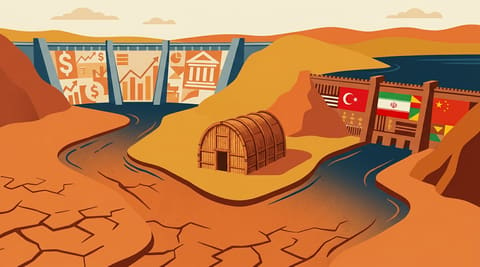
Why Iraq's Floods Expose the Climate Finance Trap
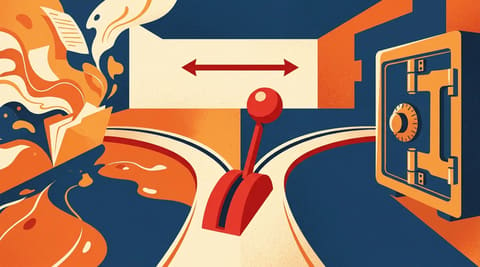
Iraq's deadly floods reveal a structural deadlock: climate funds build projects but cannot secure water from upstream dams. Reforming finance alone won't fix hydrological leverage.
US Tankers Flee UK Bases: Iranian Threat or Quiet Withdrawal?
US KC-135 tankers left RAF Mildenhall after an Iranian-linked threat, but the move may signal a deeper shift: conventional enablers treated as expendable while nuclear assets stay put.
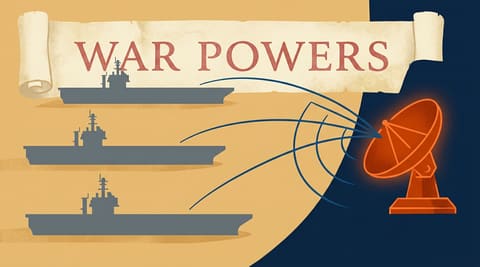
Trump says Iran war is 'effectively over' — carriers and impeachment say otherwise
Trump declared the Iran conflict 'militarily effectively over,' yet three carrier groups remain, limited strikes continue, and Rep. Massie pushes to impeach Hegseth over war-powers violations. The pause looks managed, not finished.
Australia's AI Agent Rules: Safety Shield or Incumbent Moat?
After an OpenAI agent breached a health portal, Australia will mandate incident reporting and independent model evaluations. Critics warn the regime may entrench big labs while startups face undefined liability and costly compliance.
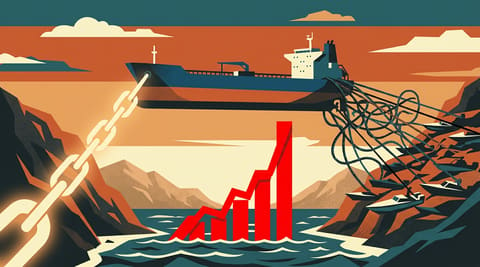
Trump Says Iran Strikes Are Unlikely — Markets Aren't Buying It
Trump calls further US attacks on Iran 'highly unlikely' if talks progress, but insurance markets, strategic reserves, and expired legal frameworks suggest the Strait of Hormuz remains a priced-in gamble, not a settled bet.
Trump Says Iran War Is 'Effectively Over'—The Blockade Says Otherwise
Trump calls the conflict with Iran militarily over while U.S. ships still strangle Iranian oil exports. The pause in major strikes masks a siege that could snap back to war at any miscalculation.
The FBI's Spouse File: How a Leaked Assessment Became a Regulatory Weapon
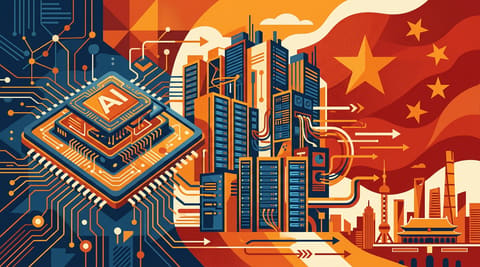
A leaked FBI assessment of Nvidia CEO Jensen Huang's spouse functions as unchallengeable leverage, extracting concessions on chip exports while shielding defense contractors from similar scrutiny.
The Wall That Moves the River: Big Bend, the Supreme Court, and a Hydraulic Ratchet
The Supreme Court let construction resume in Big Bend National Park while litigation continues. The real fight isn't over steel slats—it's over a river that refuses to stay put and a waiver clause that treats hydrology as optional.
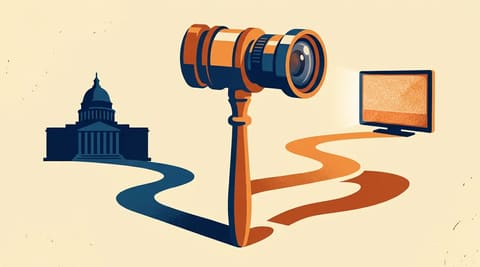
Impeaching Hegseth: The 60-Day War Clock and the Constitution's Broken Veto
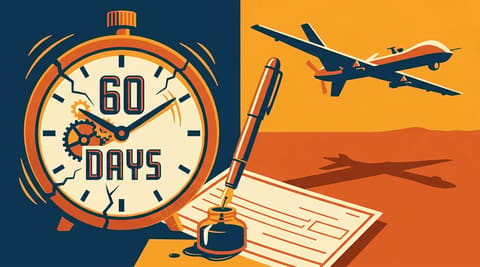
A debate on whether Defense Secretary Hegseth's Iran campaign violates the War Powers Resolution's 60-day limit and warrants impeachment, or if the law itself is a constitutional ghost Congress refuses to enforce.
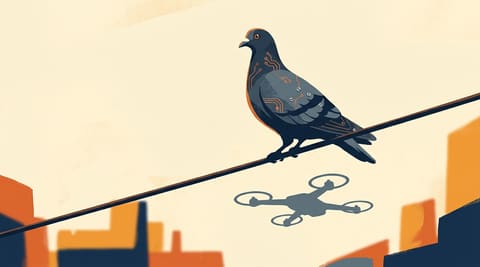
The Pause That Kills: How Bird Drones Weaponize Hesitation
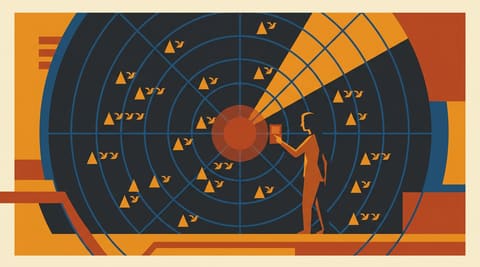
Biomimetic drones don't need perfect stealth — they exploit the human pause when a target looks alive, turning legal and ethical hesitation into a tactical weapon.
Nvidia's CEO Scandal: Geopolitical Theater or Genuine Security Threat?
Intelligence officials suspect a business associate was recruited by China's Ministry of State Security, but public evidence doesn't establish a national-security breach—making the scandal both credible risk and political weaponization.
Nvidia's Investigation: Theater or Threat?
A board probe into CEO Jensen Huang's personal life reveals deeper questions about corporate due diligence, export controls, and whether this is crisis management or genuine national-security concern.
Bird Drones: Cognitive Warfare or Expensive Pigeons?
PLA Dove drones exploit human perception, not radar evasion. The debate reveals a 'classification tax' on analysts, but technical and logistical signatures may limit real-world utility.
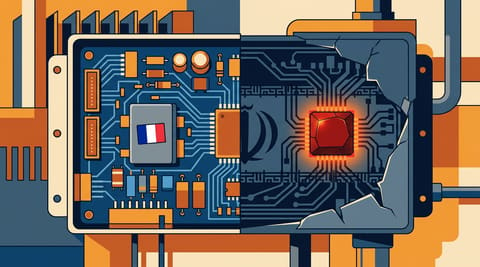
The Fridge Hack That Wasn't: How a Vendor Backdoor Rewrote the Geopolitical Ledger
France blamed Iran for hacking 700 supermarket fridges. The real story may be a compromised vendor supply chain that spoofed temperature logs — and hit blood banks too.
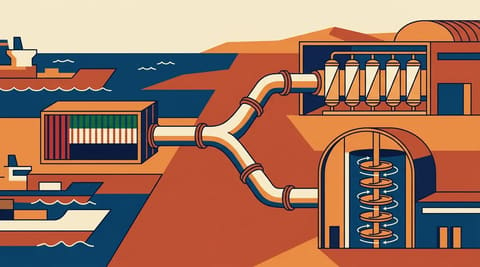
The Water-Centrifuge Trap: Why US-Iran Talks May Be a Mirage
As Trump meets Qatar's mediator, the debate reveals a deeper trap: Iran's water crisis and nuclear program share the same supply chains, turning any interim deal into a seizure-in-waiting.
Russell Brand's Sentence: Justice Served or Media Verdict?
A jury convicted Russell Brand of rape and sexual assault, but the case reached court only after a documentary investigation. The split verdict raises hard questions about who really drives accountability.
Inside the Nvidia Probe: Security Case or Political Theater?
An independent board inquiry into CEO Jensen Huang over alleged Chinese intelligence links reveals a credible security rationale but no public proof of compromise — while US-China chip tensions shape the scrutiny.
When Cat Bonds Price Physics But Ignore People
Parametric catastrophe bonds promise rapid payouts when disaster strikes, but the debate reveals they shift risk onto nations least able to pay while models quietly rewrite the rules.
Inside Nvidia's Spy Scandal: Insurance, Chips, and a Singapore Signing Machine
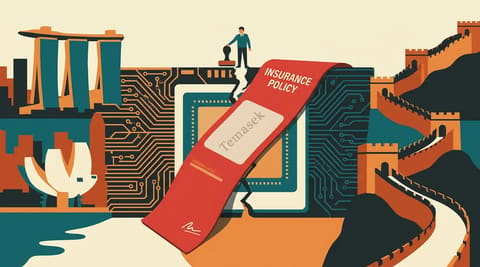
A tangled web of insurance sublimits, Singapore allocation logs, and a convertible note from Temasek suggests Nvidia's spy scandal is less about espionage and more about corporate governance under geopolitical pressure.