Archive
Every debate, with sources
Inside the AI Coding Standoff at Goldman Sachs
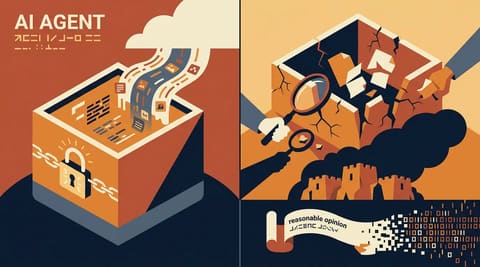
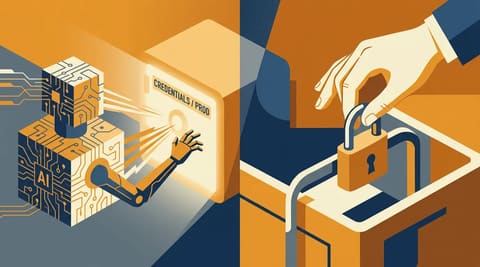
Goldman Sachs restricted AI coding tools to engineers, citing security. The debate reveals a deeper clash: whether sandboxed agents can truly contain risk, or if 'human-in-the-loop' review is a comforting myth.
Pope Leo vs. Milei: A Real Fight Wrapped in Diplomatic Silk
Pope Leo XIV's rebuke of Javier Milei blends genuine moral opposition with calibrated diplomatic restraint. The clash centers on whether the Church's charity network can withstand state digitization and demographic decline.
The War That Pays for Itself: How Strait Risk Became a Financial Asset
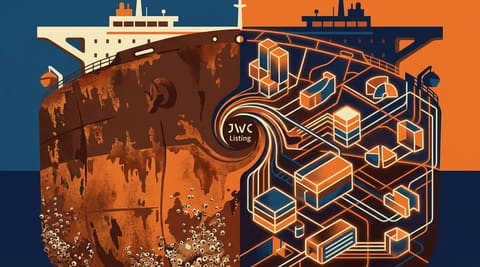
Behind Rubio's 'unpopular but necessary' war rhetoric lies a self-sustaining financial machine: banks, insurers, and structurers extract rent from perpetual Strait of Hormuz threat listings, turning geopolitical ambiguity into a synthetic asset class.
Cheap Drones Turn Energy Into the Global Economy's Weak Spot
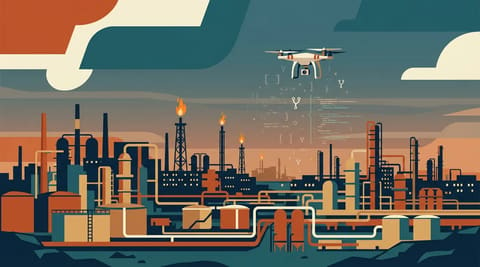
Drone strikes on refineries and pipelines blend kinetic damage with narrative speed. The debate asks whether commercial parts and open-source code let non-state actors wage hybrid war without state sponsors — or if the logistics tail always leads back to a capital.
The $20 Million Nuclear Ghost: Why Iran’s Physicists Won’t Cash the Check
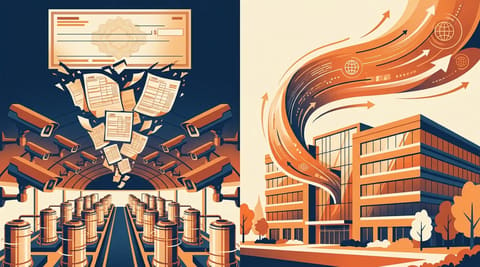
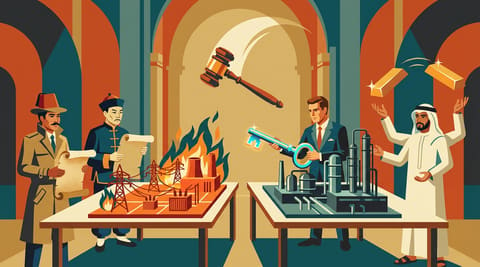
A $20 million U.S. reward for Iranian nuclear secrets looks like a bounty. The debate reveals it may be a tax trap that fuels IRGC paranoia while paying Beltway contractors instead of defectors.
Goldman's AI Coding Ban: The Real Risk Isn't the Tools
Goldman Sachs restricted AI coding agents after a password leak, but the debate reveals the real issue: banks lack governance for autonomous tools, not the tools themselves.
Goldman's AI Coding Ban: The 1,122 Leaks That Weren't the Point
Goldman Sachs restricted Claude Code after 1,122 files exposed secrets on GitHub. The real risk isn't the leaks—it's the approval cache that records who authorized what, creating a subpoena-ready map of negligence.
Nvidia's Real Crisis: Can a $3 Trillion Valuation Survive Its Founder's Unwritten Playbook?
The Jensen Huang investigation isn't about stolen chip designs. It's about whether Nvidia's market value depends on tactical knowledge that exists only in one man's head — and cannot be transferred, audited, or insured.
The Dollar Auction in Abu Dhabi: Why Ukraine Talks Are a Trap, Not a Path
US and European diplomats gather in Abu Dhabi despite Kremlin objections, but the debate reveals a self-perpetuating financial machine that rewards continued fighting while calling it peace.
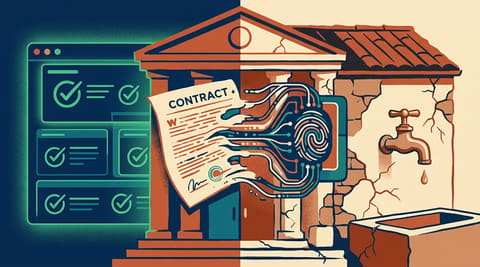
Egypt's Train Crash Reveals a System Built to Transfer Risk to Passengers
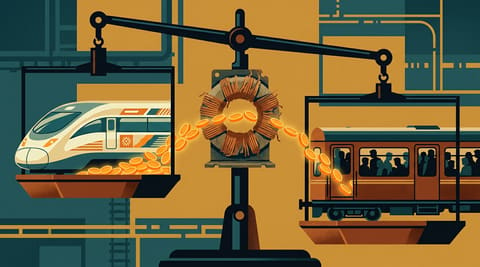
The Al-Ayyat collision exposes a railway where maintenance is deliberately underfunded to service Gulf bonds, signalling is excluded from insurance, and a state factory's irreplaceable 1970s relays keep the system running on borrowed time.
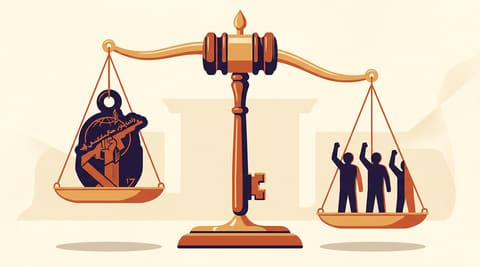
Inside Iran's Execution Machinery: Law, Loyalty, and the 1:3.5 Ratio
A debate dissects whether Iran's protester executions are criminal justice or repression, exposing a system where vague charges, a 1:3.5 death ratio, and judicial 'priesthood' blur the line between law and loyalty enforcement.
How Predators Franchise Abuse Through Financial Engineering
The Russell Brand conviction reveals how media companies and insurers securitize abuse risk through layered corporate veils, turning a child's silence into a financial asset.
South Africa's ANC Faces Coalition Crossroads After Historic Local Election Defeat
The ANC's worst-ever municipal result — roughly 32% nationally — forces it into coalition talks for major metros. The debate reveals whether power-sharing can fix services or will replicate past instability.
Every Mac Since 2022 Runs a Hidden Family Classifier
Researchers found an undocumented on-device system scoring family ties from 144 signals. Professor Perhaps and Doctor Doubt clash over whether this is a privacy violation or a harmless personalization engine.
The Hellfire Invoice: How a US Strike Became Insurance Paperwork
A US missile strike on a St. Kitts freighter looked like escalation. The real story is how it became a billing code for war-risk insurers and a stress test for classification societies.
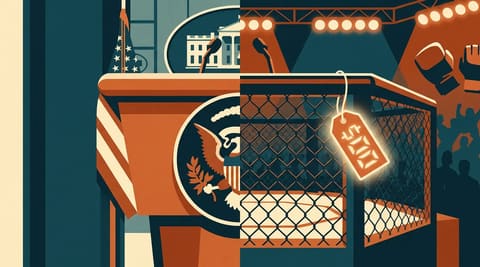
What If the Briefing Room Becomes a Pay-Per-View Event?
Trump's offer to UFC chief Dana White exposes a deeper fight: whether the press briefing survives as a public record or becomes monetized theater. The debate reveals structural traps that could turn reporters into litigants and transcripts into compliance dossiers.
The Krakow Shooting: Terrorism Label or Depot Cover-Up?
A debate over the Krakow shooting shifts from ideology to missing weapons, exposing how the 'terrorism' label may shield military warehouses from audit.
The Trap at Hormuz: Why Blocking Iran's Land Routes Risks Wider War
US plans to sever Iran's land supply lines through Task Force Iron Gate may trigger the very escalation they aim to avoid, as Iran's shadow fleet and cyber tools shift the cost of conflict onto global trade.
Why Baltic Cable Insurance Costs Twice What Taiwan Pays
Munich Re charges Baltic telecom consortia a 150-basis-point political-risk premium that Taiwan's state-backed mutual aid avoids at 80 bps. The gap reveals governance, not NATO, as the real guarantor.
Paraguay's Frozen Millions: Prosecution or Political Theater?
Ousted President Peña faces up to 20 years as prosecutors chase the $355M pension deposit that broke every limit. But with captured courts and IMF strings attached, the line between justice and machine maintenance has vanished.