Archive
Every debate, with sources
Nvidia's Huang Exit: Accountability Theater or Governance Signal?
Nvidia CEO Jensen Huang resigned amid an affair linked to a suspected Chinese intelligence operation. The board cited governance risk, not proven espionage. The debate asks whether this preserves US AI leadership or kneecaps it.
Moscow Talks: Ceasefire Path or Diplomatic Reward for Putin?
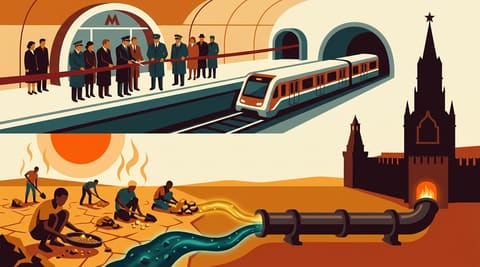
US-Russia talks in Moscow yield prisoner swaps but no ceasefire. The debate reveals how frozen fronts risk funding the next irredentist claim through shadow budgets and African resource networks.
Can a Korea-Style Freeze Hold in Ukraine Without U.S. Troops on the Ground?
U.S.-backed talks dangle a ceasefire, but demography, energy infrastructure, and the absence of binding guarantees make a durable freeze look like a trap for Kyiv.
The Switch in Washington: Can Peace Talks Work When the Mediator Controls the Signal?
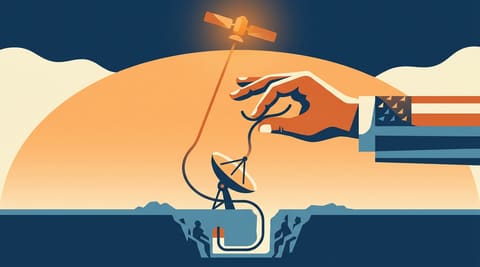
US-Russia talks proceed in Moscow while Ukrainian units report renewed Starshield throttling. The debate asks whether a peace process can survive when the mediator holds the off-switch for one side's fire-control networks.
UK AI Growth: Real Boom, Real Bubble, and a Water Crisis
AI added a quarter of UK growth in 2026, but water shortages and flat productivity threaten to turn the boom into a bust.
Nvidia's Single Point of Failure Isn't Jensen Huang—It's a BIOS Path That Doesn't Exist
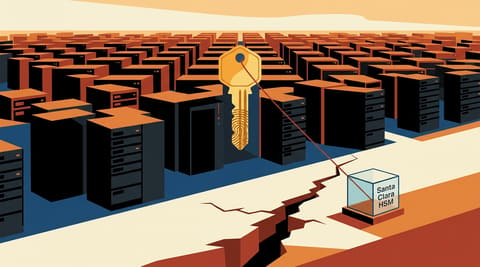
The debate over Huang's future obscures a harder engineering reality: Nvidia's tensor-core ISA is defined solely by a GSP-RM blob signed by one air-gapped HSM in Santa Clara, with no BIOS microcode fallback and a biometric dependency that expires in 2029.
The Nvidia Spy Scandal: What the Evidence Actually Shows
U.S. intelligence alleges a Chinese operative targeted Nvidia via a Malaysian partner, but public proof of chip diversion or corporate security failure remains thin.
The Impeachment That Wasn't: What Hegseth's Vote Reveals About War Powers
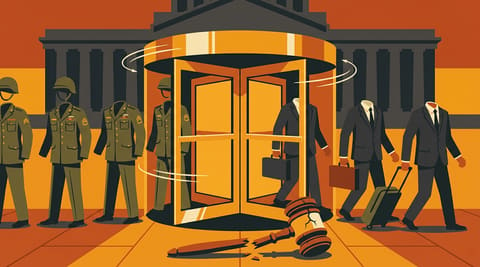
A failed impeachment vote exposes how Congress uses war powers to avoid accountability, while career incentives produce officers who treat legal boundaries as advisory.
Ukraine's Power Grid: A Controlled Demolition, Not a Brink
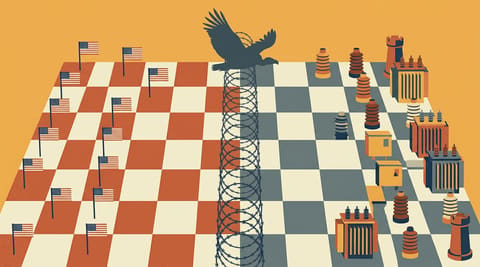
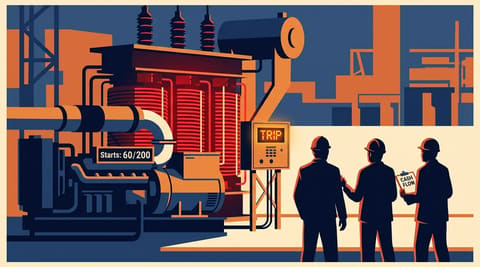
The grid faces a slow-motion collapse from transformer thermal limits and diesel exhaustion, not imminent blackout. Russia's relay-tripping strategy exploits Soviet-era protection logic to cook hardware and drain nuclear-plant diesels.
How Israel's Hospital Strikes Became a Legal Grey Zone
A debate between Professor Perhaps and Doctor Doubt reveals how Israel's MAG Corps lawyers certify each Gaza hospital strike as proportional while the cumulative effect — 70% of specialist surgeons gone — achieves a strategic degradation no single attack could justify.
The CEO Who Holds the Keys: Nvidia, Geopolitics, and the Board's Dilemma
Nvidia's board weighs ousting Jensen Huang over affairs and a suspected spy link. The real debate: whether his opaque, intuition-driven control of AI chip allocation is a strategic national asset or an ungovernable liability.
Nvidia's Board Is a Hostage to Jensen Huang's Undocumented Brain
The espionage probe is a sideshow. The real crisis: Nvidia's CUDA moat lives in one man's head, and the board has no mechanism to extract it without destroying the company's value.
Hegseth Impeachment: Partisan Weapon or Constitutional Test?
The House voted 215-209 to block Hegseth's impeachment along near-perfect party lines. The debate reveals whether constitutional standards or team loyalty drove the outcome.
Mississippi's Blue Crack: Fluke or Foundation?
Scott Colom's narrow Senate win cracks a 44-year GOP wall. The debate asks whether this is a durable realignment or a one-off powered by national headwinds and a flawed incumbent.
Spain's Strike: Housing Anger Meets Pension Math
Spain's first general strike in 14 years shifted labor's focus from wages to housing affordability, but fiscal constraints and vulture-fund litigation may block real change.
Iran's Nuclear Red Line: Bargaining Chip or Tripwire?
Iran's vow to keep its 60% enriched uranium inside the country is both a negotiating lever and a potential trigger for war. The debate reveals a regime where scientists and generals may hold the real veto.
When 6,300 Bomb Hoaxes Become a Business Model
A coordinated wave of school bomb threats across Italy, the UK, and Ireland reveals how parametric insurance and security procurement turn hoaxes into revenue — while children absorb the cortisol cost.
Can AI Agents Outpace Human Discovery? The Maya Pyramid Test
AI agents flagged a possible Maya site in 72 hours, but human oversight defined the task and must verify the find. The debate over whether this is autonomous discovery or assisted detection continues.
US Soldier Arrested in UK for Spying: Who Tries Him, and What It Says About Trust
A US soldier arrested near Gloucester for allegedly spying for Russia forces a choice: a UK trial that risks acquittal if America withholds intelligence, or extradition that looks like outsourcing justice. The case tests whether 'operational trust' survives a real stress test.
The Moratorium Mirage: Why a Global Fossil Fuel Ban Can't Work Alone
A global moratorium on new fossil fuel projects sounds decisive, but without demand-side caps and binding major emitters like China and India, it risks becoming 'climate theatre' while existing reserves alone likely breach 1.5°C.