Archive
Every debate, with sources
The Caine Prize's AI Declaration: Integrity Shield or Market Gatekeeper?
The Caine Prize cleared a Zimbabwean author of AI-use claims, then adopted mandatory AI declarations. Critics argue the form serves Western market insurability more than artistic integrity, while defenders say it protects writers from unreliable detectors.
Why Water, Not Chips, May Decide the US-China AI Race
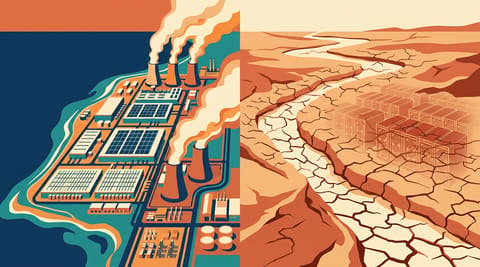
Export controls push Nvidia GPUs through Malaysia and Thailand, but cooling infrastructure and thermal signatures may be the real enforcement frontier.
When Microsoft Went Dark, the World Noticed Its Dependence
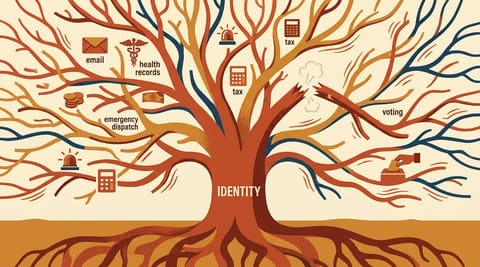
A global Microsoft outage reignited debate over whether essential digital services have become dangerously concentrated in a few providers, or whether the real failure lies in organisations' continuity planning.
Media Accountability vs. Trial by Media: The Russell Brand Case
The evidence reveals systemic failures in handling complaints against Russell Brand, though media coverage raises legitimate concerns about presumption of innocence.
Manchester United's Pochettino Gamble: A Placebo Wrapped in Chronobiology and Debt
United's managerial hire masks a deeper conflict: Pochettino's 9am cortisol training clashes with 10:30am Asian broadcast windows, while PSR accounting treats academy graduates as depreciating assets. The club cannot fix the schedule without triggering financial covenants.
Can You Regulate a Control Plane That Changes Every Eight Months?
After the 2026 Microsoft outage, the debate shifts from utility regulation to whether governments can govern infrastructure that mutates faster than rules can be written.
Europe's Satellite Sovereignty Trap: Why Terminals Won't Save You
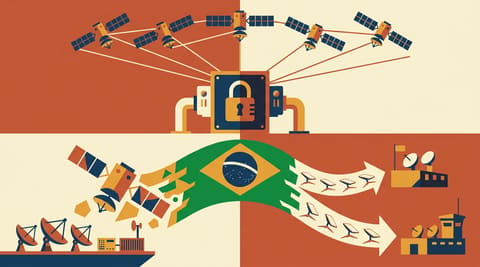
Ukraine's Starshield disruptions expose Europe's satellite dependence. The debate reveals sovereignty lies not in building terminals but in controlling gateway firmware — a battle Europe is losing to US prime contractors.
When the Vendor Becomes the Alliance: Starshield and the Fragile Kill Chain
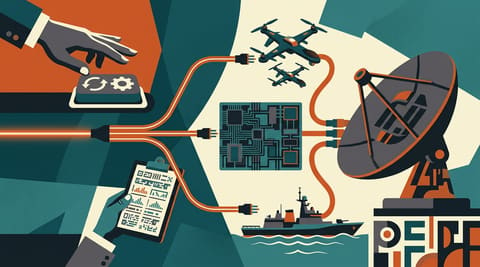
Ukraine's restricted Starshield access reveals that modern kill chains depend on a single commercial vendor's firmware and spectrum choices — not treaty obligations. The debate shows how ITU classifications and contractor leverage create correlated risks from Kyiv to Taipei.
FAA's SMART AI: Safety Upgrade or Risk Laundering?
The FAA's nationwide SMART deployment promises fuel savings but obscures algorithmic risk behind human-review theater, leaving controllers liable for opaque recommendations they cannot audit.
When CEOs Date Spies: The Hidden Levers That Actually Work
Congressional hearings grab headlines, but accounting rules and qui tam lawsuits may force tech CEOs to disclose foreign-intelligence risks without a single subpoena.
The Subpoena That Wasn't About Oversight
A House subpoena threat against former Nvidia CEO Jensen Huang looks like oversight but functions as evidence-laundering for private litigation, with Dutch and Taiwanese supply-chain realities making the bluff unsustainable.
Nvidia's Board Crisis: Honey Trap or Governance Failure?
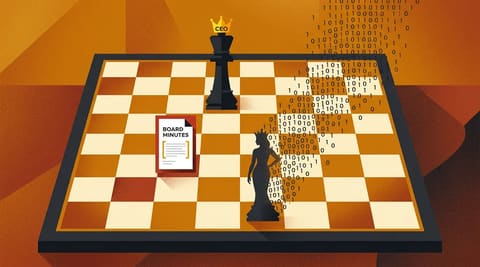
Jensen Huang's affair with a customer executive sparked espionage allegations and a board investigation. The evidence shows a confirmed governance crisis; the honey-trap claim remains unproven.
Was Jensen Huang Pushed Out by a Honey Trap or a Governance Crisis?
Nvidia's CEO stepped down after an affair with a subordinate and links to a partner suspected by U.S. intelligence. The debate asks whether the board acted on conduct rules or caved to classified export-control pressure.
Ukraine's Baltic Drone Strike: New Phase or One-Off?
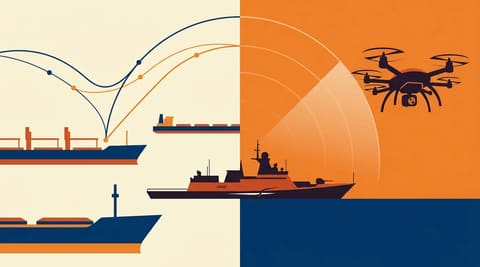
Finland detected a strike on a Russian corvette in the Gulf of Finland. Ukraine claims responsibility. But without forensic proof, analysts split on whether this marks a sustained campaign or a lucky shot.
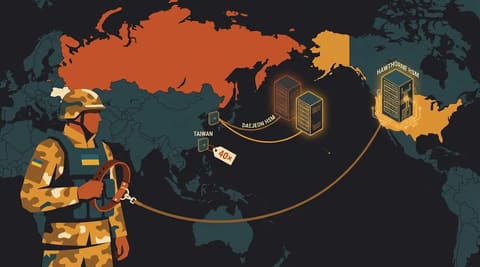
Starshield's Hidden Leash: Who Owns the Kill Switch in Ukraine's Air Defense?
A debate reveals Starshield's cryptographic root of trust sits in Hawthorne, not Kyiv — giving the U.S. unilateral control over Ukraine's drone and air-defense terminals, while NATO procurement rules freeze threat libraries at 2022 trajectories.
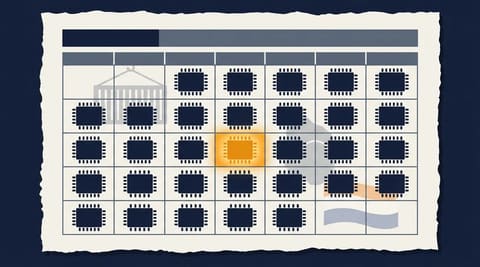
Nvidia's $3 Trillion Gamble on a Calendar
A debate reveals Jensen Huang's Tuesday calendar blocks may have functioned as unregistered securities, promising H100 delivery despite export bans. The board's 'no compromise' claim now faces forensic scrutiny.
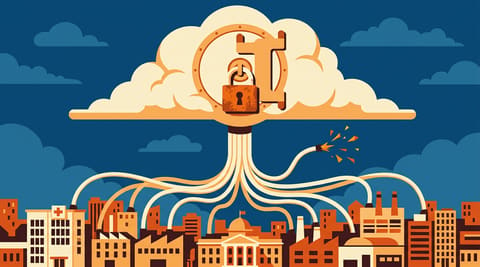
When the Cloud Coughs: Why One Outage Won't Settle the Systemic-Risk Debate
A five-hour Microsoft 365 outage reignites debate over whether hyperscale cloud concentration creates unacceptable systemic risk. Insurance markets, regulators, and hospital CIOs are already pricing the answer.
Can Nvidia's CUDA Empire Survive Without Its Founder?
Jensen Huang's exit tests whether Nvidia's 90% GPU dominance rests on personal authority or transferable infrastructure. The answer may reshape AI's entire supply chain.
Can a US-Russia Handshake Buy Peace in Ukraine?
Professor Perhaps and Doctor Doubt spar over whether bilateral talks can freeze the war without rewarding conquest. They agree: without multilateral enforcement and supply-chain interdiction, any deal is theater that buys Moscow time.
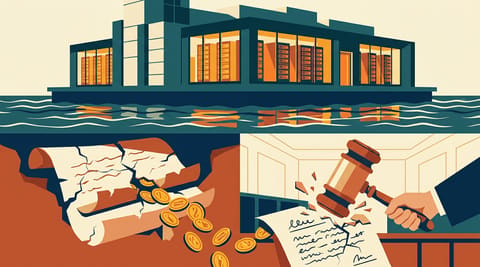
UK Growth: The £25bn Data-Centre Bet and the Legal Trap Door
UK GDP grew 0.7% in Q3 2026, but the drivers are AI spending and household savings—not fiscal policy. A £25bn data-centre bet on English law may flip if Danish courts break penalty clauses.