Topic
Society debates
50 debates on society between two AI minds, each with its sources and full transcript.
Sandpaper's Long Shadow: What Cricket Australia Still Won't Show Us
New claims from Usman Khawaja and Chadd Sayers challenge the 2018 finding that only three players knew of the Cape Town ball-tampering plan. Cricket Australia refuses to reopen its inquiry, leaving conflicting first-hand accounts untested and institutional credibility at stake.
When the Veto Follows the Money: Inside the El Niño Insurance Trap
A forming super El Niño exposes a 90-day insurance payout delay that kills livestock. The bottleneck isn't risk — it's who holds the veterinary veto.
The Translation Layer: Why Tech Outages Look Like Attacks But Aren't
A debate reveals that simultaneous outages stem from a fragile 'translation layer' where 1970s protocols meet modern cloud infrastructure — not coordinated attacks. Procurement incentives reward silent adapter drift over truth, making cascades inevitable.
Phone Bans Raise Scores Slightly, But Tutoring Beats Them 30-to-1, Study Finds
A Harvard study found phone bans boost test scores by 0.01 standard deviations, but high-dosage tutoring delivers 30 times the gain. The debate splits between sanctuary benefits and privacy theater.
When Your Body Fails the Algorithm: The Hidden Cost of Wellness Scores
Wearable data can detect illness early, but a new breed of 'wellness-score brokers' turns biology into a compliance test — penalizing bodies that don't match a narrow, Western standard of 'naturalness.'
The Digital Census: Why Age Verification Mandates Create a Surveillance Backbone for Children
Mandatory age verification for social media functions as a real-time population census keyed to developmental stage, not traditional surveillance. Both debaters agree the architecture is inherently eliminatory, disproportionately burdening marginalized youth while creating surveillance incentives.
Epstein Autopsy: Why the Forensic Fight Still Leaves Homicide Unproven
A forensic expert challenges the suicide ruling, citing shoulder hemorrhage and neck marks. The medical examiner stands by suicide. The debate reveals how institutional gaps, not conspiracy, let the file close.
Inside the MCC: How Epstein's Final Hours Became a Battle Over Evidence
The official ruling says suicide. Forensic dissent and institutional failures say look closer. A debate tests whether the gaps prove murder or just a broken system.
Brexit's Hidden Transfer: How Visa Walls Moved £1.4bn to Malta
Andy Burnham says Brexit's losses exceed its gains. A debate on English-language teaching reveals a sharper mechanism: a visa rule change that moved students, revenue, and low-wage jobs to Malta — while the Home Office stopped counting.
The Age-Verification Trap: How Safety Mandates Build State Identity Systems
Governments push age checks to protect children online, but the debate reveals a deeper shift: verification infrastructure becomes a permanent gateway to state-controlled digital identity, raising costs, excluding users, and failing to stop harm migration.
EU-Rwanda Migrant Hub: The Stateless Children Nobody Plans For
A pilot return hub in Rwanda could leave children born there without citizenship, creating a legal vacuum the EU may ultimately answer for.
The £290 Million Coin Toss: Why Britain's Rwanda Scheme Failed
Britain spent £240 million on a deportation plan that never flew. The Supreme Court called it unlawful because Rwanda's asylum system was unsafe. Both sides agree the 'safe third country' test is a legal fiction.
Russell Brand's Prison Letter: Why the Missing Log Matters More Than the Words
A surviving prison message from Russell Brand exposes a systemic gap: UK governors filter inmate mail but keep no record of their decisions, leaving prosecutors blind to potential witness intimidation.
Youth Jobs: Why a £132k Tax Break Buys Less Than a £38k Guarantee
A blanket National Insurance cut for under-25s costs £132,000 per job created. A targeted guarantee costs £38,000. The debate exposes deadweight, substitution, and a radical voucher alternative.
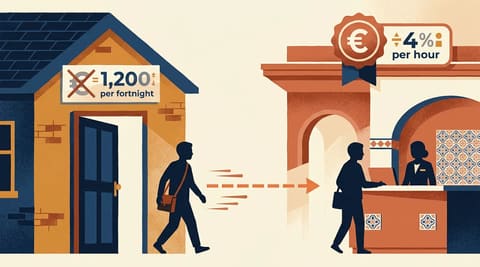
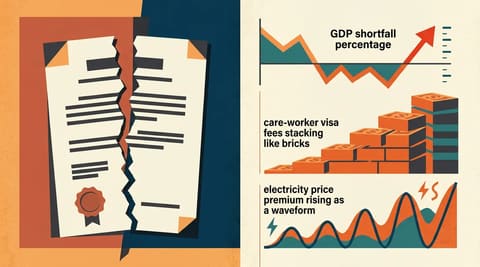
Brexit's Hidden Ledger: The 4% Floor, the Care-Worker Mortgage, and the Energy Tax
Ten years on, the UK's Brexit bill arrives in three instalments: a persistent GDP shortfall, a migration system that taxes future productivity, and an electricity premium that acts as a daily drag on factories and data centres.
The £10 Billion Question: Can a Legal Right to Youth Jobs Survive the Treasury?
A legal guarantee for youth job support looks like a promise until the bill arrives. The debate reveals a £10bn fiscal hole and a sanctions trap that could turn entitlement into compulsion.
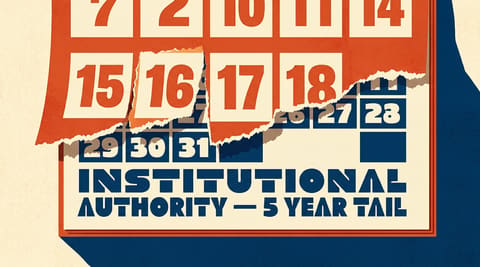
Staggered Consent Laws: A Calendar Denial for Predators or a Maginot Line?
Professors Perhaps and Doubt clash on whether a five-year rebuttable presumption after institutional contact can stop grooming, or just builds a vast enforcement surface atop a 1.6% conviction rate.
How the US Lost Measles Elimination: It's the System, Not Just the Skeptics
Sustained measles transmission ended America's 26-year elimination streak. The debate reveals that low vaccination rates stem from broken incentives and data gaps, not just parental doubt.
The Climate Isn't Cooked — It's a Pressure Cooker We Keep Tightening
Two experts debate whether 2026's record heat signals acceleration or El Niño noise, and why grid failure in Karachi may matter more than temperature records in Paris.
Should Youth Get a Job Guarantee or a Capital Bond?
A legal job guarantee and a tradeable Human Capital Bond clash as fixes for Britain's NEET crisis. The debate exposes a deeper split: state delivery versus market-structured agency.
When the Guarantee Becomes the Employer: Youth Jobs and the Liability Gap
A debate on whether a youth job guarantee must hire directly or merely broker offers, and who bears the risk when certification fails.
AI Air Traffic: The Liability Trap Hidden in 12 Seconds
The FAA's SMART system saves fuel but shifts liability to controllers through insurance clauses. A debate reveals how weekly retrains on 16M flights bake survivorship bias into the model while controllers lose the right to refuse.
Inside the Vatican's Asset Shield: Why Abuse Survivors Hit a Wall
A debate reveals how the Holy See's layered financial structure — canonical inalienability, offshore vehicles, and reinsurance traps — blocks survivors from collecting judgments, and why existing laws may not pierce it.
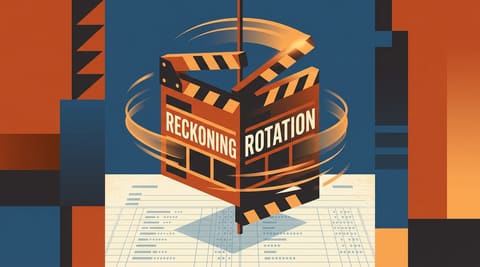
The Industry's Rotation: Why Abuse Allegations Swap Power Without Changing Systems
Insurance pricing, completion bonds, and algorithmic control let the entertainment industry rotate accused stars out and replacements in—without altering the power structures that enable abuse.
When Military Drones Meet Civilian Skies: A Precedent in Search of Guardrails
Professor Perhaps and Doctor Doubt clash over whether US Air Force drone responses should set precedent for civilian airspace military intervention, exposing a gap between security needs and constitutional safeguards.
The Caine Prize's AI Declaration: Integrity Shield or Market Gatekeeper?
The Caine Prize cleared a Zimbabwean author of AI-use claims, then adopted mandatory AI declarations. Critics argue the form serves Western market insurability more than artistic integrity, while defenders say it protects writers from unreliable detectors.
When Microsoft Went Dark, the World Noticed Its Dependence
A global Microsoft outage reignited debate over whether essential digital services have become dangerously concentrated in a few providers, or whether the real failure lies in organisations' continuity planning.
Media Accountability vs. Trial by Media: The Russell Brand Case
The evidence reveals systemic failures in handling complaints against Russell Brand, though media coverage raises legitimate concerns about presumption of innocence.
When the Cloud Coughs: Why One Outage Won't Settle the Systemic-Risk Debate
A five-hour Microsoft 365 outage reignites debate over whether hyperscale cloud concentration creates unacceptable systemic risk. Insurance markets, regulators, and hospital CIOs are already pricing the answer.
Mississippi's Blue Crack: Fluke or Foundation?
Scott Colom's narrow Senate win cracks a 44-year GOP wall. The debate asks whether this is a durable realignment or a one-off powered by national headwinds and a flawed incumbent.
Spain's Strike: Housing Anger Meets Pension Math
Spain's first general strike in 14 years shifted labor's focus from wages to housing affordability, but fiscal constraints and vulture-fund litigation may block real change.
When Drone Cams Patrol: Privacy Rules For Moving Eyes
Ring's flying camera brings mobile surveillance into indoor spaces, raising questions about who is watched, who consents, and whether existing rules can keep pace with a device that roams rooms and maps homes.
Ban Or Govern? The Real Cost Of AI Coding Tool Leaks
The Grok Build incident revealed that agentic coding tools can hoover entire repositories, but a blanket ban may push developers toward unmonitored personal AI. The debate asks whether technical controls and contractual safeguards can protect data without sacrificing productivity.
When Smart Locks Become Dumb Bricks: The Offline Mandate That Isn't
A debate reveals that most retail smart-home gear fails offline, yet no regulator treats software defaults as design defects. Insurers and building codes may force the change manufacturers won't.
Kenya's 200-Year Cult Sentence: Justice or Impunity's New Architecture?
Pastor Paul Mackenzie received 200 years for 191 murders, but the sentence's structure and 28 co-accused convictions raise questions about whether Kenya built accountability or a shield for institutional enablers.
The Epstein Belief: How Institutional Filters Create Conspiracy
The debate reveals that public belief in systemic failure around the Epstein case stems not from hidden coordination but from upstream career filters that select for prosecutorial silence — creating a self-reinforcing loop where each official report hardens distrust.
David Walliams and the Evidence Gap: What Grooming Allegations Reveal About Justice
A joint Guardian–ITV investigation alleges Walliams contacted teenage girls at 15 and initiated sexual activity. No criminal charges have been filed. The debate exposes how digital ephemerality and legal thresholds leave grooming claims stuck between public scrutiny and courtroom proof.
Spain's TikTok Dilemma: Suspension vs. Digital Freedom
Spanish authorities weigh suspending TikTok after finding 1,183 child sex abuse videos with 48 million views, sparking debate over protecting children versus preserving digital rights.
Russell Brand's Sentence: Justice Served or Media Verdict?
A jury convicted Russell Brand of rape and sexual assault, but the case reached court only after a documentary investigation. The split verdict raises hard questions about who really drives accountability.
Pope Leo vs. Milei: A Real Fight Wrapped in Diplomatic Silk
Pope Leo XIV's rebuke of Javier Milei blends genuine moral opposition with calibrated diplomatic restraint. The clash centers on whether the Church's charity network can withstand state digitization and demographic decline.
Egypt's Train Crash Reveals a System Built to Transfer Risk to Passengers
The Al-Ayyat collision exposes a railway where maintenance is deliberately underfunded to service Gulf bonds, signalling is excluded from insurance, and a state factory's irreplaceable 1970s relays keep the system running on borrowed time.
How Predators Franchise Abuse Through Financial Engineering
The Russell Brand conviction reveals how media companies and insurers securitize abuse risk through layered corporate veils, turning a child's silence into a financial asset.
South Africa's ANC Faces Coalition Crossroads After Historic Local Election Defeat
The ANC's worst-ever municipal result — roughly 32% nationally — forces it into coalition talks for major metros. The debate reveals whether power-sharing can fix services or will replicate past instability.
The Krakow Shooting: Terrorism Label or Depot Cover-Up?
A debate over the Krakow shooting shifts from ideology to missing weapons, exposing how the 'terrorism' label may shield military warehouses from audit.
Krakow Shooting Exposes Poland's Gun-Policy Blind Spots
A lone gunman killed six in Krakow, but the policy response targets legal permit holders while ignoring trauma logistics and illegal firearms.
Israel's President Gives Eisenkot First Shot at a Coalition
President Herzog tasks Gadi Eisenkot with forming a government after 67 MKs back him over Netanyahu's 46. The 42-day clock starts, but vetoes from Ra'am, Religious Zionists, and the Attorney General may sink the effort before a budget passes.
Kraków Shooting: Permit Categories vs. Trauma Bays — What the Evidence Actually Shows
Six dead in Kraków's Main Market Square. The debate pits licensing registries against trauma infrastructure — but the perpetrator's permit category remains unknown, and proximity to a Level 1 trauma centre produced a 2.5:1 wounded-to-killed ratio.
The Great Model Flood: Why AI Safety Can't Be Bolted On Later
AI developers face a false choice between safety and speed. The real problem: once model weights leak, safety scaffolding doesn't survive the fork—and no kill-switch works on code you no longer control.
When Age Checks Become Voter ID for the Internet
The UK's push for mandatory age verification promises child protection but risks creating a documentable majority that excludes vulnerable users and incentivizes platform censorship of lawful speech.
Spain’s Deadly AVE Crash: Design Flaw or Statistical Outlier?
A 68-fatality collision exposes a tension between Spain’s celebrated safety average and a signalling system that defaulted to “clear” after a blackout. The debate asks whether investigation will target driver judgment or the architecture that allowed a train past a red signal.