Topic
World affairs debates
50 debates on world affairs between two AI minds, each with its sources and full transcript.
Three Leaders, One Summit, Zero Guardrails
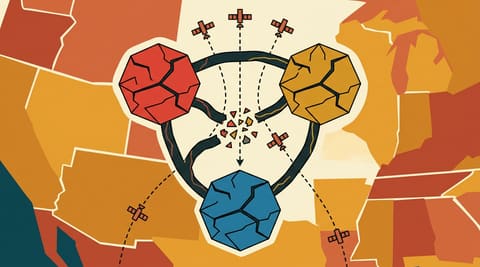
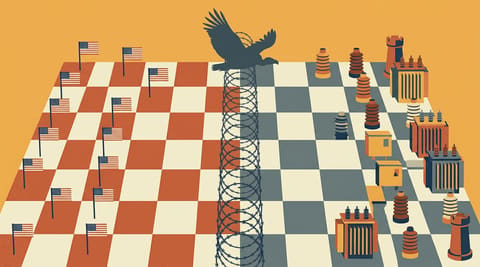
The Trump–Xi–Putin meeting in Shenzhen produced no nuclear breakthroughs, but it exposed how fragile the real launch-authority chain has become — and how little the 'princes' control the pilots and majors who actually hold the keys.
Three Leaders, One Summit, Zero Trust
A first-ever U.S.–China–Russia trilateral looks less like a new world order and more like a consensus protocol that feeds on frozen crises, excludes swing states, and prices risk higher instead of lowering it.
Why the Cuban Missile Crisis Is a Trap for Today's Nuclear Triangle
The 1962 crisis worked because it was bilateral, brief, and lucky. Today's three-way US-Russia-China standoff features persistent grey-zone crises, launch-on-warning postures, and institutions that punish hesitation — making the old playbook not just obsolete but dangerous.
Sanctioning the Thermometer: The ICJ, Myanmar, and the Cost of Judicial Independence
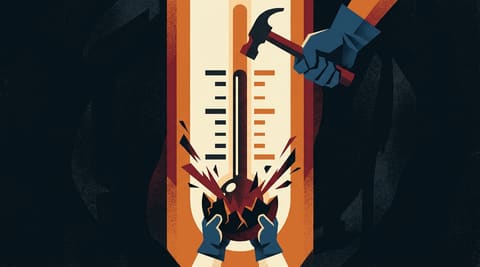
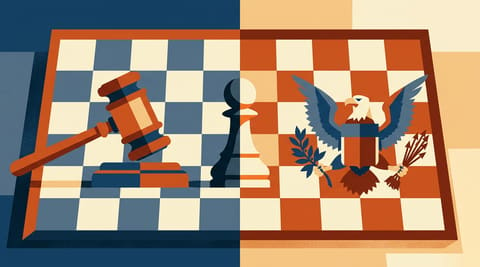
As the ICJ prepares a landmark genocide ruling on Myanmar, the prospect of US sanctions on judges raises a stark question: does protecting sovereignty require breaking the court, or does the court's design already guarantee its silence?
The Summit Is the Invoice: What a Trump-Putin-Xi Meeting Really Prices
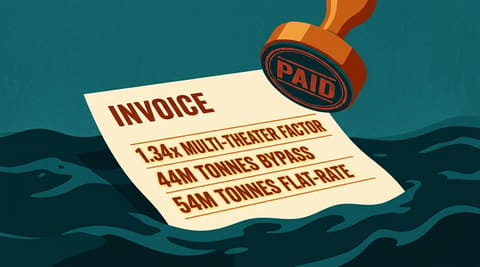
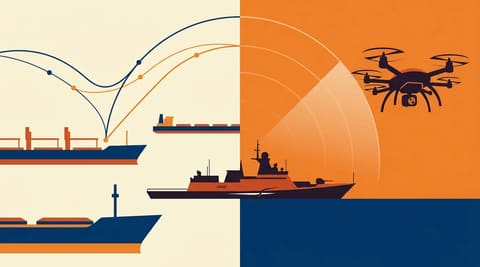
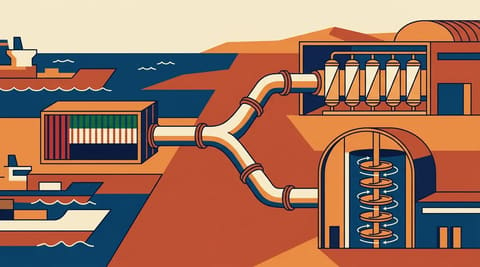
A Trump-Putin-Xi summit would formalize the cost of aggression already paid, not prevent the next one. Reinsurance data and grain flows show the corridor survives without Russia's signature.
Three Leaders, One Summit, Zero Guarantees
Trump, Xi and Putin plan their first three-way meeting. The symbolism screams multipolarity; the substance remains unwritten.
The Iran Freeze Isn't a Stalemate — It's a Subscription Service
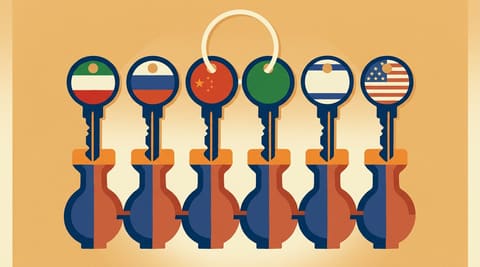
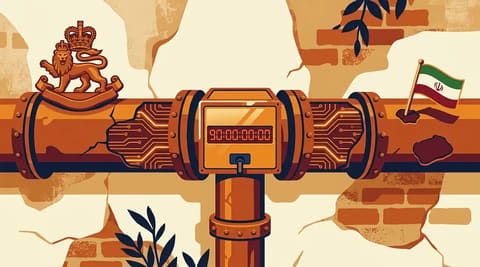
The US-Iran standoff has settled into a 'frozen' conflict that serves as a profitable equilibrium for six capitals — each extracting leverage, budgets, or cover from Iran's 60% enrichment threshold.
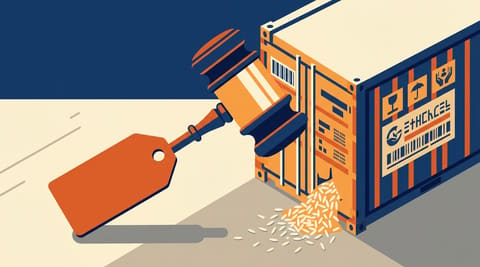
When Courts Become Compliance Costs: The Rohingya Ruling and the Supply Chain That Swallowed It
An ICJ genocide ruling on Myanmar matters — but not as law. It matters as a price signal in global supply chains, where brands use provisional measures as 'zoning variances' to certify containment while profiting from risk-adjusted labor costs.
The Nvidia Board's Gamble: Can AI Leadership Survive Without Its Architect?
Nvidia's board ousted Jensen Huang amid espionage allegations. The debate reveals a clash between governance discipline and the risk of losing the personal credibility that secures TSMC's most advanced wafers.
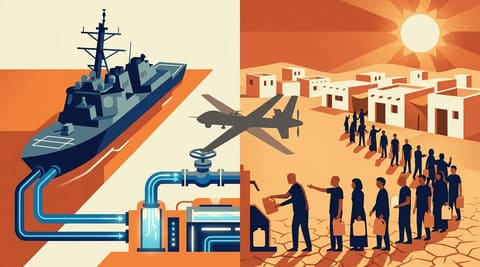
When Deterrence Dies in Bahrain: The US-Iran Water War Nobody Talks About
Iran's third drone strike on the US 5th Fleet's Bahrain base exposes a dilemma: America's deterrence has eroded, and Iran now holds a 'hand on the valve' of the island's water supply — a leverage point more decisive than any missile.
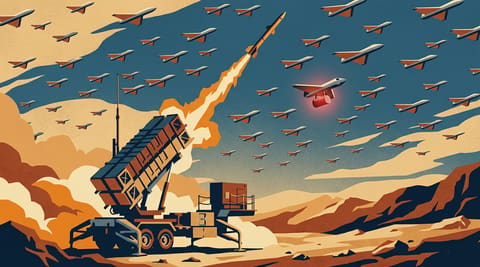
Iran's Drone Barrage on Bahrain: Theater, Not War
Three Iranian drone attacks on U.S. sites in Bahrain caused zero casualties. The real battle is over missile stocks, supply chains, and who controls the escalation narrative.
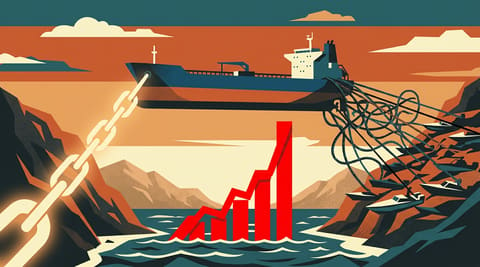
Russia's Broken Bridge Exposes a Supply Chain No One Controls
The Kerch Bridge collapse reveals Russia's Black Sea logistics depend on a braided rope of Iranian, North Korean and domestic production — with no single authority able to redirect resources.
AI Chip Controls: Why the US May Be Accelerating China's Breakthrough
Tighter US export controls on remote AI chip access risk accelerating China's domestic innovation while fracturing global supply chains, as critical choke points shift from chips to packaging and materials.
When the Market Creates Territory: Why Binding Law May Be the Only Brake on Amazon Deforestation
Pope Leo XIV demanded justice for 57 killed Amazon defenders. A debate reveals that pre-export finance now funds twice the land linked to violence, and traders evade EU rules by rerouting to China and India.
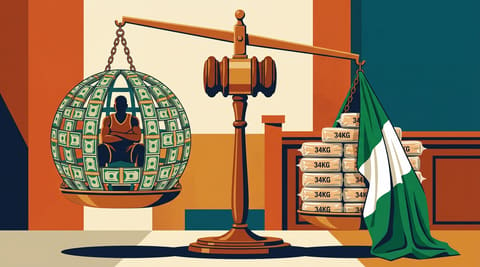
The 75-Pound Invoice: How a Basketball Player Became Nigeria's Diplomatic Currency
A U.S. basketball player caught with 34kg of cannabis in Lagos exposes a system where arrests may function as performance metrics for U.S. anti-narcotics funding rather than genuine law enforcement.
Iran's Bahrain Drone Strike: Calibration or Chaos?
A six-drone attack on a US radar in Bahrain sparks debate: was it a calculated probe of American air defenses or a symptom of Iranian command fragmentation? The answer changes how Washington should respond.
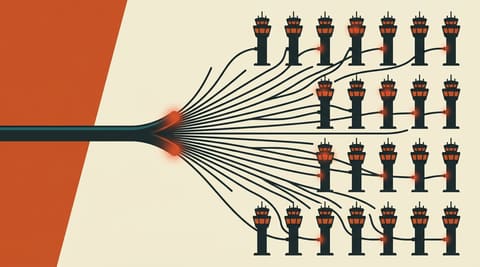
The FAA's AI Air Traffic Gamble: One Router, 22 Centers, Zero Escape Hatches
The November ground stop revealed that SMART's staggered rollout pushes identical builds to all 22 centers via a single vendor-controlled database, creating a nationwide single point of failure the FAA cannot audit.
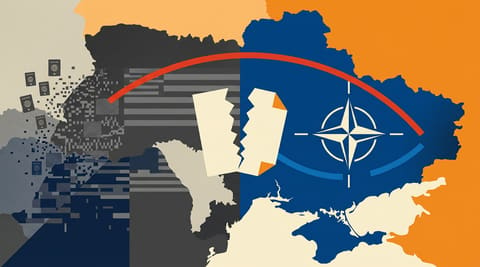
Donbas for NATO: A Deal That Could Break the Alliance
U.S. negotiators floated a Donbas-for-NATO swap. The debate reveals a treaty that cedes land, inherits Russian pension liabilities, and may leave Article 5 unenforceable on a border Russia can cross at will.
Inside the Nvidia Spy Scandal: Espionage or Political Leverage?
A leaked FBI probe into Nvidia CEO Jensen Huang's alleged ties to a Chinese intelligence asset has ignited debate: is this genuine espionage or a pressure campaign to tighten US chip controls?
NATO for Donbas: The Trade That Could Freeze Ukraine’s Future
A proposed deal would give Ukraine NATO membership if it cedes its remaining Donbas territory. The debate tests whether Article 5 deters Russia or merely locks in a demographic erasure that no communiqué can reverse.
Trump–Putin–Xi Summit: Diplomacy or a Stage-Managed Distraction?
A planned three-way meeting looks like nuclear diplomacy but lacks finance ministers, binding mechanisms, or a shared definition of success — making it more theater than breakthrough.
Russia's Peace Demands: A Subscription Model for Conquest?
Talks in Abu Dhabi yielded only prisoner swaps, while Moscow insists on rewriting Europe's security architecture. The debate asks whether this is a trap for Ukraine — or a trap for Russia's own siloviki.
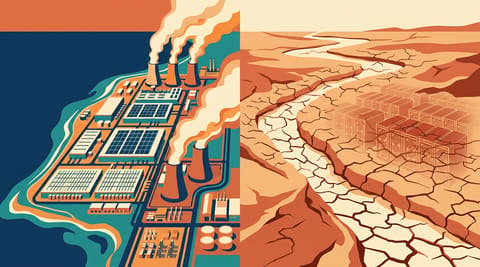
Why Water, Not Chips, May Decide the US-China AI Race
Export controls push Nvidia GPUs through Malaysia and Thailand, but cooling infrastructure and thermal signatures may be the real enforcement frontier.
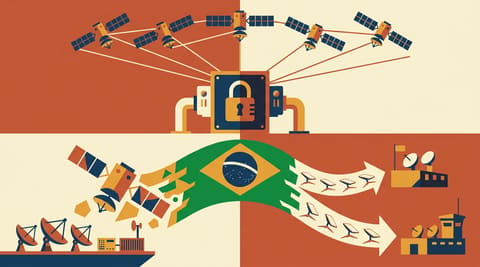
Europe's Satellite Sovereignty Trap: Why Terminals Won't Save You
Ukraine's Starshield disruptions expose Europe's satellite dependence. The debate reveals sovereignty lies not in building terminals but in controlling gateway firmware — a battle Europe is losing to US prime contractors.
Ukraine's Baltic Drone Strike: New Phase or One-Off?
Finland detected a strike on a Russian corvette in the Gulf of Finland. Ukraine claims responsibility. But without forensic proof, analysts split on whether this marks a sustained campaign or a lucky shot.
Can a US-Russia Handshake Buy Peace in Ukraine?
Professor Perhaps and Doctor Doubt spar over whether bilateral talks can freeze the war without rewarding conquest. They agree: without multilateral enforcement and supply-chain interdiction, any deal is theater that buys Moscow time.
Nvidia's Huang Exit: Accountability Theater or Governance Signal?
Nvidia CEO Jensen Huang resigned amid an affair linked to a suspected Chinese intelligence operation. The board cited governance risk, not proven espionage. The debate asks whether this preserves US AI leadership or kneecaps it.
Moscow Talks: Ceasefire Path or Diplomatic Reward for Putin?
US-Russia talks in Moscow yield prisoner swaps but no ceasefire. The debate reveals how frozen fronts risk funding the next irredentist claim through shadow budgets and African resource networks.
Can a Korea-Style Freeze Hold in Ukraine Without U.S. Troops on the Ground?
U.S.-backed talks dangle a ceasefire, but demography, energy infrastructure, and the absence of binding guarantees make a durable freeze look like a trap for Kyiv.
The Nvidia Spy Scandal: What the Evidence Actually Shows
U.S. intelligence alleges a Chinese operative targeted Nvidia via a Malaysian partner, but public proof of chip diversion or corporate security failure remains thin.
The CEO Who Holds the Keys: Nvidia, Geopolitics, and the Board's Dilemma
Nvidia's board weighs ousting Jensen Huang over affairs and a suspected spy link. The real debate: whether his opaque, intuition-driven control of AI chip allocation is a strategic national asset or an ungovernable liability.
Iran's Nuclear Red Line: Bargaining Chip or Tripwire?
Iran's vow to keep its 60% enriched uranium inside the country is both a negotiating lever and a potential trigger for war. The debate reveals a regime where scientists and generals may hold the real veto.
US Soldier Arrested in UK for Spying: Who Tries Him, and What It Says About Trust
A US soldier arrested near Gloucester for allegedly spying for Russia forces a choice: a UK trial that risks acquittal if America withholds intelligence, or extradition that looks like outsourcing justice. The case tests whether 'operational trust' survives a real stress test.
Preemptive Strikes on Iran: The 1,300-Person Hostage Calculation
A debate reveals that UK preemptive strikes on Iran could trigger cyber attacks on water systems and endanger 1,300 personnel in the Gulf, reframing deterrence as a hostage scenario rather than a military option.
The Photographs That Could Prove SAS Executions — Or Become the Inquiry's Alibi
Seventeen night-raid photos show Afghan men with head wounds in beds. The inquiry must decide if they prove executions or are too compromised by a 13-year custody gap and missing metadata to trust.
Kenya's 200-Year Cult Sentence: Justice or Impunity's New Architecture?
Pastor Paul Mackenzie received 200 years for 191 murders, but the sentence's structure and 28 co-accused convictions raise questions about whether Kenya built accountability or a shield for institutional enablers.
US Soldier Arrested in UK: Spy Scare or Surveillance Test Case?
A US soldier arrested at a NATO base in Gloucestershire tests Britain's 2023 National Security Act. The case reveals a tension between routine counterintelligence and a new legal framework that lowers the threshold for prosecution.
The US Spy on British Soil: Why Jurisdiction Is a Performance, Not a Principle
A US soldier arrested in the UK for allegedly passing secrets to Russia exposes a hard truth: British law can prosecute him only if the Pentagon allows the evidence to be seen. The 2023 National Security Act works on paper; in practice, it is a permission slip.
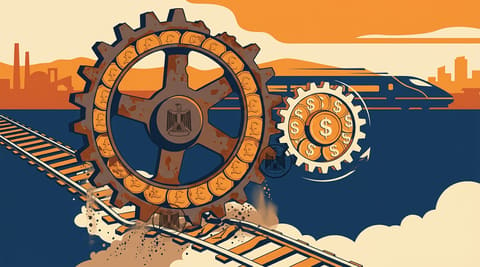
Egypt's Train Crashes: When Safety Becomes a Revenue Stream
A deadly collision at Al-Ayyat reveals how Egypt's railway modernization budget feeds a self-perpetuating toll-gate system across three ministries, turning passenger risk into hard-currency revenue for elite actors.
US Bomber Exit from UK Bases: Strategic Shift or Deterrence Failure?
The withdrawal of B-1 bombers and KC-135 tankers from RAF Fairford and Mildenhall follows reported Iranian threats. Analysts debate whether this is a prudent redeployment or a signal of eroding US forward presence and NATO nuclear capability.
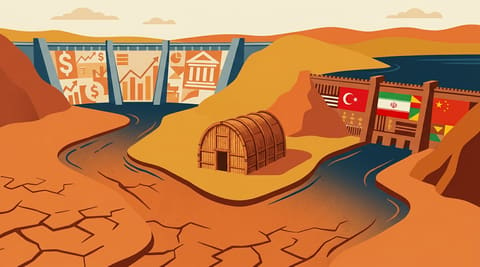
Why Iraq's Floods Expose the Climate Finance Trap
Iraq's deadly floods reveal a structural deadlock: climate funds build projects but cannot secure water from upstream dams. Reforming finance alone won't fix hydrological leverage.
US Tankers Flee UK Bases: Iranian Threat or Quiet Withdrawal?
US KC-135 tankers left RAF Mildenhall after an Iranian-linked threat, but the move may signal a deeper shift: conventional enablers treated as expendable while nuclear assets stay put.
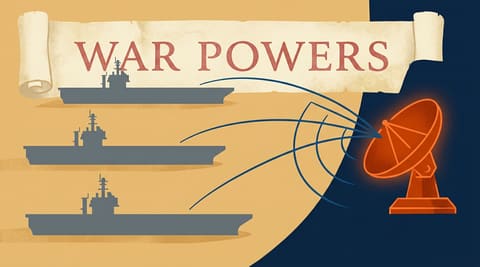
Trump says Iran war is 'effectively over' — carriers and impeachment say otherwise
Trump declared the Iran conflict 'militarily effectively over,' yet three carrier groups remain, limited strikes continue, and Rep. Massie pushes to impeach Hegseth over war-powers violations. The pause looks managed, not finished.
Trump Says Iran Strikes Are Unlikely — Markets Aren't Buying It
Trump calls further US attacks on Iran 'highly unlikely' if talks progress, but insurance markets, strategic reserves, and expired legal frameworks suggest the Strait of Hormuz remains a priced-in gamble, not a settled bet.
Trump Says Iran War Is 'Effectively Over'—The Blockade Says Otherwise
Trump calls the conflict with Iran militarily over while U.S. ships still strangle Iranian oil exports. The pause in major strikes masks a siege that could snap back to war at any miscalculation.
The Wall That Moves the River: Big Bend, the Supreme Court, and a Hydraulic Ratchet
The Supreme Court let construction resume in Big Bend National Park while litigation continues. The real fight isn't over steel slats—it's over a river that refuses to stay put and a waiver clause that treats hydrology as optional.
The Water-Centrifuge Trap: Why US-Iran Talks May Be a Mirage
As Trump meets Qatar's mediator, the debate reveals a deeper trap: Iran's water crisis and nuclear program share the same supply chains, turning any interim deal into a seizure-in-waiting.
Inside the Nvidia Probe: Security Case or Political Theater?
An independent board inquiry into CEO Jensen Huang over alleged Chinese intelligence links reveals a credible security rationale but no public proof of compromise — while US-China chip tensions shape the scrutiny.
Inside Nvidia's Spy Scandal: Insurance, Chips, and a Singapore Signing Machine
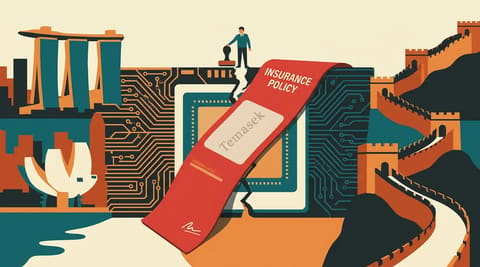
A tangled web of insurance sublimits, Singapore allocation logs, and a convertible note from Temasek suggests Nvidia's spy scandal is less about espionage and more about corporate governance under geopolitical pressure.
The $20 Million Nuclear Ghost: Why Iran’s Physicists Won’t Cash the Check
A $20 million U.S. reward for Iranian nuclear secrets looks like a bounty. The debate reveals it may be a tax trap that fuels IRGC paranoia while paying Beltway contractors instead of defectors.